
Best Fast-Charging Phones: How to Read the Numbers and Choose the Right Device

Fast charging is no longer just a number printed on a phone box. A phone advertised with 120W charging is not necessarily the fastest in every situation. Real-world speed depends on the charging curve, temperature, battery capacity, charger and cable, and compatibility with the phone’s charging protocol.
The more useful question is not “How many watts does this phone support?” but “How much usable power will I get during the few minutes I have?” That is why the battery percentage after 15 or 30 minutes, along with the time needed to reach 80%, often tells you more than the maximum wattage alone.
What does fast charging mean in practice?
The phone and charger negotiate the voltage and current that should be delivered. A phone may draw high power when the battery level is low, then gradually reduce the power as the battery approaches full capacity. This lowers heat and protects the battery cells. As a result, a phone may reach 50% quickly but take much longer to complete the remaining percentage.
The USB Power Delivery specification shows that USB PD 3.1 can theoretically provide up to 240W through a suitable USB-C cable, with the ability to request different voltage levels according to the device’s needs. That figure describes the capability of the standard, not the charging speed of every phone, charger, or cable.
Qualcomm’s Quick Charge technology also uses intelligent power management and thermal control. The company says Quick Charge 5+ can charge a device from 0% to 50% in five minutes under specific conditions, although actual results vary by device design and accessories.
Why does higher wattage not always mean faster charging?
There are four main reasons:
1. The charging curve: Maximum power usually appears only during part of the charging cycle, then gradually declines.
2. Heat: When the phone or room becomes too warm, the system automatically reduces charging power. Qualcomm notes that controlling voltage and current helps reduce heat and maintain stable performance.
3. Compatibility: Some phones require the manufacturer’s own charger and cable to reach the advertised speed. With a generic USB-PD charger, they may charge more slowly.
4. Battery capacity and efficiency: A larger battery may take longer to reach 100%, but it can provide longer usage between charges.
How should you test charging speed fairly?
Begin every test at a similar battery percentage and use the charger and cable recommended by the manufacturer. Record the battery level after 15 and 30 minutes, then measure the time required to reach 80% and 100%. Ideally, test the phone while it is idle and keep the room temperature reasonably consistent.
Do not compare a phone tested with its original charger against another phone tested with a generic adapter. Also, do not confuse a “full 0–100% charging test” with a “battery gained after 30 minutes” test. Each measurement answers a different question.
Wireless charging requires a compatible charging pad and good alignment between the phone and the pad. Heat or a thick case can reduce the charging power. Wireless charging is therefore convenient for a desk or overnight charging, while wired charging remains the better option when every minute matters.
Notable phones in the fast-charging category
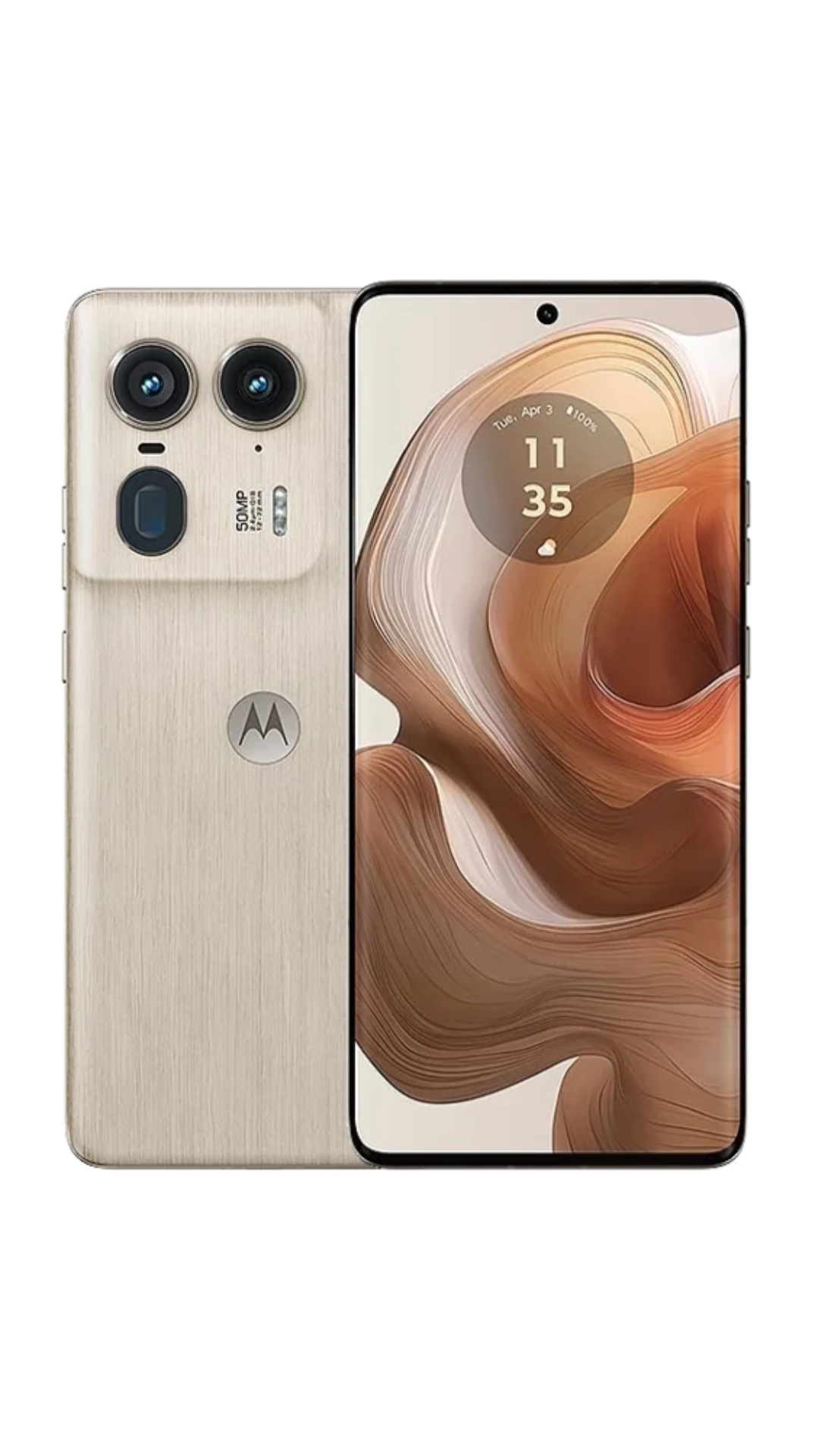
Motorola Edge 50 Ultra: High wired-charging speed in a premium phone
This phone suits users who want to replenish the battery quickly rather than rely on an exceptionally large battery. The original article lists 125W wired charging and 50W wireless charging, alongside a 4,500mAh battery. Those figures make it practical for users who prefer short, frequent charging sessions. However, check the local model and included charger before buying, since specifications can vary by market.
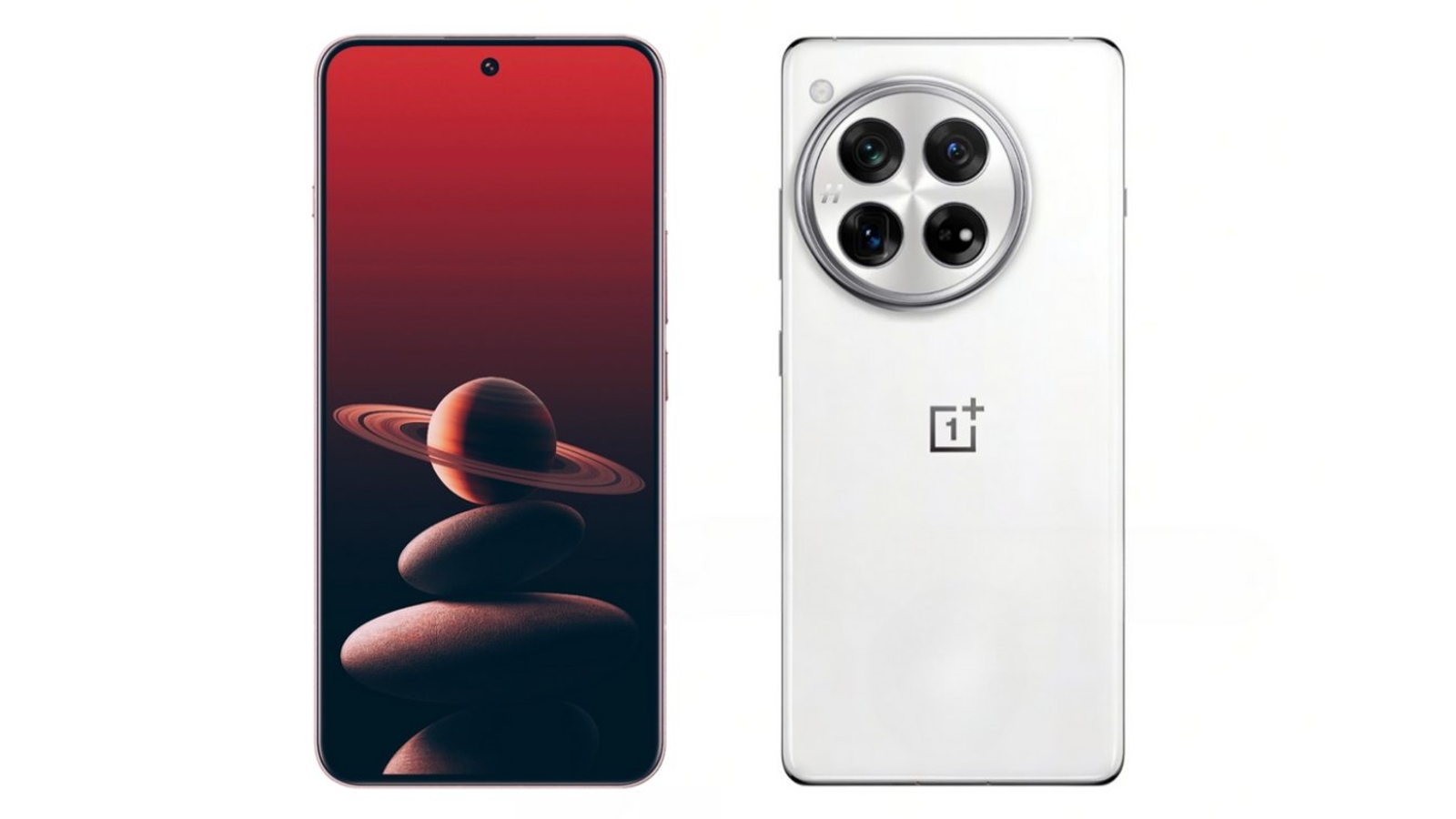
OnePlus 13: A large battery with balanced fast charging
The OnePlus 13 follows a slightly different approach: a large battery, strong performance, and fast charging that reduces waiting time. According to the information in the original article, the phone supports 100W wired charging and 50W wireless charging, although availability may differ by market. Check the local product page before buying a charger, especially if reaching the phone’s maximum charging speed is important to you.
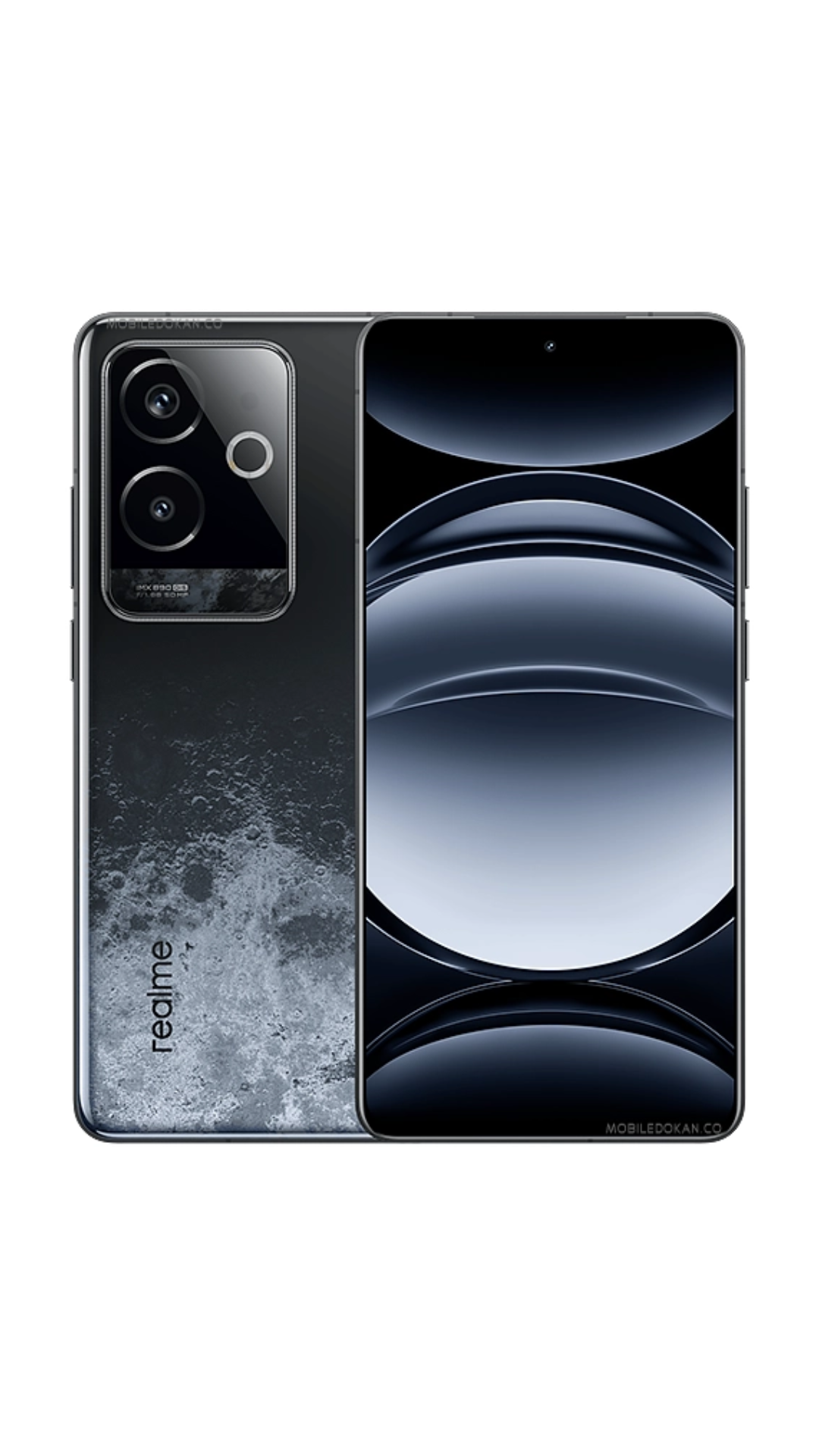
Realme GT 7 Pro: A clear example of combining capacity and speed
Realme's official product page states that the GT 7 Pro has a 6,500 mAh Titan battery and 120W Ultra Charge. The company says the phone can reach 50% in 14 minutes and 100% in 37 minutes under specified laboratory conditions. Realme also notes that actual results may vary depending on the testing environment, software, and product version.
This example shows why wattage should always be read alongside charging time and test conditions. A 120W rating matters, but thermal management and charger compatibility largely determine the everyday experience.
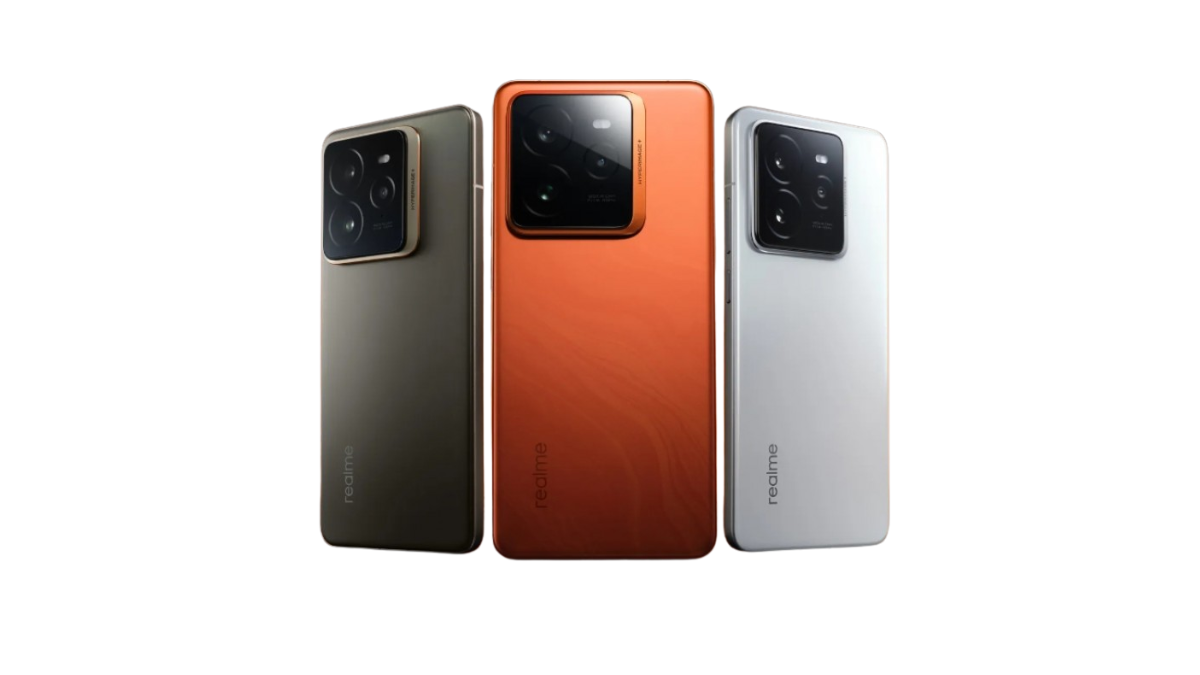
Redmi Note 12 Pro+ 5G: 120W charging at a lower price point
Xiaomi states that the Redmi Note 12 Pro+ 5G has a 5,000 mAh typical-capacity battery and can reach 100% in 19 minutes using 120W HyperCharge under the company’s test conditions. Although the phone is older than some of today’s options, it remains a useful example of how ultra-fast charging has reached more affordable segments.
Samsung and Apple phones: speed is not the only measure.
Some Samsung and Apple phones may not lead the wattage charts, but they can compensate with power efficiency, stable performance, battery management, and long-term software support. A phone should not be rejected simply because its wattage is lower than that of a Chinese competitor. What matters to the user is runtime and how much charge the phone gains in a short period, not the printed number alone.
How should you choose a phone for your usage pattern?
If you need a quick boost before leaving home, focus on the battery percentage after 15 and 30 minutes. If you usually charge at a desk, wireless charging and charging-pad compatibility may matter more than the highest wired wattage. Travelers should check whether the phone can charge at a useful speed with their car charger, multi-port adapter, or power bank.
Anyone who prioritizes long battery life should not chase the highest number alone. Look for good thermal management, battery-protection features, a certified charger, and a suitable cable. Avoid intensive gaming or heavy camera use during fast charging, because demanding workloads increase heat and may slow the process.
Conclusion
The best fast-charging phone is the one that gives you enough usable power when you need it while maintaining reasonable temperatures and clear charger-and-cable compatibility. Treat maximum wattage as a starting point, then judge the phone by its 15-minute and 30-minute results, time to 80%, battery capacity, and behavior in daily use.
Editorial note: Phone specifications, prices, and accessories may vary by country and model. Check the local manufacturer page before publishing or purchasing. Permission may also be required if the images taken from the original article are republished elsewhere.