
Air New Zealand and BETA Technologies Launch a Landmark Electric Aircraft Programme in New Zealand
Beta Technologies Unveils Electric Passenger Aircraft
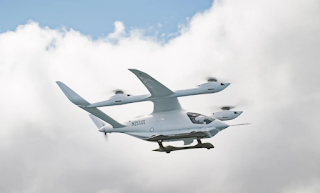
Beta Technologies has unveiled the new electric aircraft in its lineup, a passenger version of its vertical take-off and landing (VTOL) and fixed-wing aircraft.
Air New Zealand and BETA Technologies Launch a Landmark Electric Aircraft Programme in New Zealand
A Historic Step Toward Zero-Emission Aviation in Aotearoa
We are witnessing a defining moment in modern aviation as Air New Zealand and BETA Technologies officially launch the first electric aircraft programme of its kind in the country. This groundbreaking initiative represents a major leap forward in sustainable aviation, helping accelerate the global transition toward low-carbon and zero-emission flight.
With aviation under increasing pressure to reduce emissions, this programme reflects a bold and practical commitment to innovation. It is not a theoretical experiment—it is a real operational demonstration designed to test, validate, and accelerate the future of electric aviation.
Through this partnership, we are laying the groundwork for a future where regional and short-haul routes can operate using battery-electric aircraft, creating cleaner skies and a more sustainable transport ecosystem for New Zealand and beyond.
Why This Electric Aircraft Programme Matters Globally
Electric aircraft development is rapidly emerging as one of the most promising solutions for aviation decarbonisation. Unlike conventional aircraft powered by jet fuel, electric aircraft rely on battery systems that can eliminate direct carbon emissions during flight.
This collaboration between Air New Zealand and BETA Technologies is especially significant because it moves beyond announcements and enters the real-world operational phase—where aircraft are flown, systems are tested, and practical infrastructure challenges are addressed.
By launching a structured demonstrator programme, we are contributing to global aviation progress and helping the industry understand how electric flight can become commercially viable.
Air New Zealand’s Vision for Sustainable Regional Aviation
Air New Zealand has long been recognized for its forward-thinking strategy in sustainability, and this programme reinforces its commitment to building a cleaner aviation future.
The airline has clearly stated that regional aviation is a priority area for innovation. Since many domestic routes in New Zealand are relatively short, they represent an ideal starting point for electric aircraft adoption.
New Zealand is uniquely positioned for this transformation due to:
A strong regional aviation network
High demand for domestic travel
A large share of renewable electricity generation
A supportive innovation environment
Strategic partnerships with airports and regulators
We are not simply testing an aircraft—we are testing a model for future aviation.
For official details about the programme and announcements, we reference the official newsroom of Air New Zealand Newsroom.
Introducing BETA Technologies: The Innovator Behind the ALIA Electric Aircraft
BETA Technologies is a US-based aerospace company widely known for developing advanced electric aircraft and charging solutions. Their flagship aircraft, the ALIA, has gained global attention due to its engineering approach, commercial practicality, and focus on certification readiness.
Unlike many experimental aircraft concepts, BETA’s design philosophy is centred around real aviation operations: safety, efficiency, maintenance simplicity, and scalable infrastructure.
BETA Technologies is also building a wider ecosystem, including charging systems designed specifically for electric aircraft operations—an essential factor for long-term commercial adoption.
Learn more about the company directly through BETA Technologies.
The ALIA CX300: The First Electric Aircraft to Fly Under Air New Zealand’s Programme
At the heart of this initiative is the BETA ALIA CX300, an electric aircraft designed for conventional takeoff and landing operations.
This is crucial, because it means the aircraft can operate using existing airport runways without requiring new specialized infrastructure like vertical landing pads or complex launch systems.
Key Specifications and Capabilities of the ALIA CX300
The ALIA CX300 has been designed to support real regional aviation operations and cargo missions.
Its notable capabilities include:
Fully electric propulsion system
Conventional runway operations
Designed for short-haul and regional missions
Strong cargo performance for logistics testing
Potential flight range suitable for domestic New Zealand routes
The aircraft is also being used as a technical demonstrator, which means the purpose is to collect operational data, evaluate performance, and validate how electric aircraft can integrate into airline networks.
For more official programme details, we refer again to Air New Zealand Newsroom.
Tauranga: The Starting Point of Electric Flight Demonstrations
The programme began with an historic first flight in New Zealand, where the ALIA aircraft took off from Tauranga Airport. This marked the beginning of a structured testing timeline that will span multiple regions.
Tauranga was chosen strategically due to its location, weather patterns, and operational suitability for controlled flight demonstrations.
The launch event was more than symbolic—it was a clear message that New Zealand is actively participating in the global electric aviation revolution.
The Programme Timeline: Where the Electric Aircraft Will Fly Next
This programme is designed to operate across multiple New Zealand regions to evaluate real-world performance under varied conditions.
Phase 1: Tauranga Demonstration Flights
The first flights focus on:
aircraft performance validation
pilot familiarisation
safety procedures testing
ground crew coordination
early charging logistics
Phase 2: Hamilton Flight Operations and Data Collection
Hamilton serves as a key location for deeper operational testing, including:
repeated flight cycles
charging performance analysis
ground handling simulation
energy consumption monitoring
Phase 3: Wellington and Potential Cook Strait Crossings
Wellington provides a more challenging environment due to its wind patterns and geography. It also enables possible test routes to the South Island.
This stage is critical because Cook Strait routes represent a real domestic flight scenario where electric aircraft must demonstrate reliability.
Phase 4: Programme Completion and Return of Aircraft
After the programme completes, the aircraft will return to BETA Technologies with a comprehensive dataset that will support certification, engineering improvements, and commercial planning.
Electric Aircraft Charging Infrastructure: A Core Part of the Programme
A key challenge in electric aviation is not only the aircraft—it is the charging ecosystem.
Air New Zealand has supported the programme with mobile charging systems designed to enable safe and efficient aircraft recharging across multiple airports.
This includes deployment of 65kW mobile charging units, allowing flexibility across the programme network.
This is one of the most important steps because electric aviation will only scale when charging becomes:
reliable
standardized
fast enough for airline operations
economically feasible
safe under strict aviation rules
The ALIA aircraft and charging systems are designed as a combined solution—not separate technologies.
How This Programme Supports Future Commercial Electric Flights
This programme is not designed as a one-time demonstration. It is intended to establish operational readiness for commercial electric aviation.
We are collecting data on:
1. Flight Performance and Battery Efficiency
Key metrics include:
battery endurance across different temperatures
power consumption during climb vs cruise
energy efficiency under payload loads
battery discharge behaviour across multiple cycles
2. Maintenance Requirements and Engineering Insights
Electric propulsion has fewer moving parts than traditional engines, but aviation-grade electric systems require advanced monitoring and safety checks.
This programme allows teams to examine:
maintenance schedules
component durability
charging cycle impact
long-term operational cost projections
3. Ground Operations and Turnaround Times
Airlines depend on fast turnaround to remain profitable.
This programme evaluates:
how long charging takes
how charging fits into standard airport workflows
safety procedures for ground staff
aircraft readiness time after recharge
4. Route Feasibility for Regional New Zealand Networks
New Zealand’s domestic network is ideal for electric flight testing because many routes fall within short-haul range categories.
Potential future electric routes may include:
Auckland to Tauranga
Wellington to Blenheim
Christchurch to regional hubs
cargo-focused regional routes
Regulatory Support and Aviation Safety Standards
Electric aviation cannot succeed without strong regulatory frameworks.
The Civil Aviation Authority of New Zealand plays a key role in ensuring the programme aligns with strict safety and certification requirements.
This demonstrator programme helps regulators evaluate how electric aircraft should be assessed, approved, and integrated into airspace operations.
For aviation safety and regulatory information, we reference Civil Aviation Authority of New Zealand.
Why New Zealand Is the Perfect Country for Electric Aviation Leadership
New Zealand is uniquely positioned as a global leader in electric aircraft deployment because of several critical advantages.
High Renewable Energy Availability
Electric aircraft are only truly sustainable when powered by clean electricity. New Zealand’s grid already includes a strong renewable share, which gives electric aviation a real emissions advantage.
Strong Regional Connectivity Needs
New Zealand depends heavily on domestic aviation to connect communities. Electric aircraft could transform the economics and sustainability of these routes.
Ideal Geographic Testing Conditions
The country offers diverse environments:
coastal routes
mountainous terrain
wind-heavy regions like Wellington
long over-water segments such as Cook Strait
Testing electric aircraft in such varied conditions provides world-class validation for performance and safety.
Noise Reduction and Community Benefits of Electric Aircraft
One of the most overlooked benefits of electric aircraft is noise reduction.
Compared to conventional aircraft engines, electric propulsion systems can operate significantly quieter. This has major implications for:
airports located near residential communities
early morning or late-night flight scheduling
improved quality of life near regional airports
reduced environmental disturbance
Noise reduction can be a major factor in increasing acceptance of expanded regional aviation services.
Economic Opportunities: Jobs, Technology, and Global Influence
This programme is not only about sustainability—it is also about economic positioning.
By becoming an early adopter of electric aviation, New Zealand can:
attract aerospace investment
develop new engineering and maintenance skills
create specialised aviation training programmes
build future-ready airport infrastructure
position itself as a testing hub for international electric aircraft manufacturers
Electric aviation is not simply an environmental solution—it is a new global industry.
How Air New Zealand and BETA Technologies Are Building a Scalable Electric Aviation Model
The strongest feature of this partnership is its long-term structure.
Instead of simply testing a single flight, the programme integrates:
flight trials
operational training
infrastructure planning
regulatory engagement
performance data analysis
long-term strategy building
This is the exact approach required to transition electric aircraft from prototypes into commercial fleets.
Electric Aviation Programme Flow Diagram (Mermaid)
Below is a professional structured diagram showing how this demonstrator programme supports full commercial deployment:
What Comes Next: From Demonstrator to Commercial Electric Flights
This programme is a major early milestone, but it is only the beginning.
The next steps in electric aviation development will likely involve:
expanded testing with payload and route simulations
stronger charging station networks across domestic airports
further aircraft improvements in battery density and range
deeper pilot and maintenance training
regulatory development for passenger electric flights
eventual integration into commercial route planning
This is a clear pathway toward a future where electric aircraft can operate alongside conventional fleets.
Conclusion: A Defining Moment for the Future of Aviation
We are entering a new aviation era.
The collaboration between Air New Zealand and BETA Technologies represents one of the most meaningful electric aviation initiatives currently underway in the Southern Hemisphere. It is practical, structured, and focused on real-world operational readiness—not speculation.
Through this programme, we are demonstrating that electric aviation is not decades away. It is already taking flight today, and New Zealand is shaping its future.
For official updates and programme announcements, we recommend following Air New Zealand Newsroom and the technology developments from BETA Technologies.


